Turn Tight Corners into a Confident Golf Routine
Today we’re exploring Small-Space Golf Practice Gear, the clever, compact tools that transform hallways, balconies, and living rooms into meaningful training zones. Discover how to choose durable pieces, protect floors and windows, manage noise, and structure short, focused sessions that stick. Expect practical tips, tiny wins, and stories that prove progress doesn’t require a garage, only intention and a plan.
Finding Room Where It Seems Impossible
Every square meter counts, so we map, measure, and plan before swinging. Start by marking a safe arc on the floor, testing reach with a mid-iron, and noting ceiling fixtures. A simple tape measure, painter’s tape, and patience turn impossible corners into reliable practice lanes.
Ceiling Clearance Reality Check
Ceilings that feel high can shrink when adrenaline or winter layers add inches to your swing. Test with slow-motion rehearsals, a foam ball, and a shortened club first. If knuckles graze paint, prioritize chipping nets, putting, and tempo tools until weather or space improves.
Quiet Hours, Quiet Gear
Neighbors forgive early alarms faster than late thuds, so build a hush-first setup. A dense hitting mat over a rug, soft foam or limited-flight balls, and a net with sandbagged base keep vibrations minimal. Track noise by recording from the hallway during drills.
Putting Practice That Actually Transfers to the Course
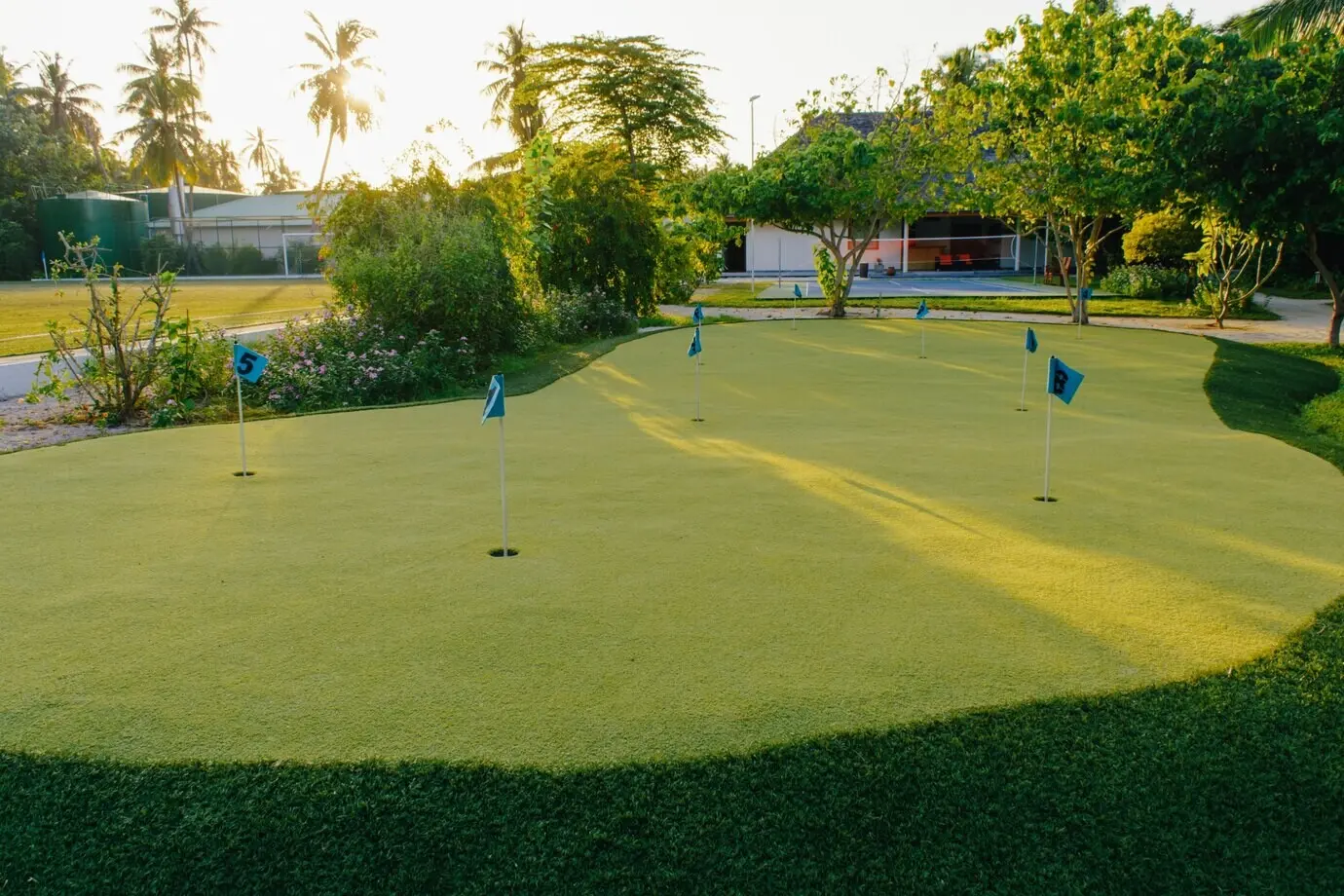
Putting indoors works when speeds and start lines are honest. Choose a mat that lists stimp equivalents, aim at coin-sized spots, and record ten-ball groupings. If the roll wobbles, troubleshoot your face angle, not fate. Little streaks of consistency become confident lag putts on faster greens.
Folding Nets and Target Ladders
Choose a pop-up net with multiple rings or stitched ladders to reward precise trajectories. Rotate distances across the room using painter’s tape. Start low bump-and-run, then add loft. Each ring hit earns a point; compete with yesterday’s score, building touch without ever risking a shattered frame.
Limited-Flight Balls That Still Tell the Truth
Foam is friendly to windows yet still reveals strike quality. Wiffle-style options exaggerate sidespin, teaching face control. Mark a dot on the ball’s top; if it rolls backward on landing, you added spin. Combine with a landing towel to track carry-versus-release tendencies naturally.
Swing Training Tools When There’s No Full Backswing
Tempo, sequencing, and face control can improve without a driver-length arc. Short trainers, resistance bands, and alignment sticks build reliable patterns in inches, not yards. Add a mirror or phone stand for instant checkpoints. Ten mindful minutes daily beat sporadic range marathons that fade by Friday.
Radar Needs Runway, Cameras Need Frames
Before buying, clear the space requirements. Many radar units want several feet behind the ball and enough flight to track; cameras prefer stable framing and dots on balls. In tight rooms, favor camera systems or accept partial data that still guides swing priorities effectively.
Accuracy Expectations in Small Rooms
Numbers are tools, not verdicts. Use averages across sets and compare week to week. If ceilings force shorter clubs, track smash factor and face-to-path cues instead of raw distance. Celebrate straighter windows and tighter dispersions; those habits reliably scale outdoors when space returns.
Storage, Setup, and Daily Habits
If it takes fifteen minutes to assemble, it will gather dust. Favor foldable nets, mats that roll flat, and a small bin that holds balls, tees, alignment sticks, and a towel. A tiny, ready corner removes excuses and invites frequent, stress-free practice bursts.
One-Minute Setup Rituals
Prep the night before: place the mat, charge devices, and preload your drill list. In the morning, you only press start. Rituals beat motivation; the less friction between coffee and first putt, the more likely you’ll keep streaks alive through busy weeks.
A Rolling Cart or Closet Wall
Mount hooks for nets, alignment sticks, and bands, or repurpose a slim rolling cart for quick deployment. Label bins for putting, chipping, and swing work. Visibility nudges action; when gear lives within sightlines, you naturally gravitate to micro-practice instead of scrolling.
Neighbor-Safe Sound Strategy
Layer materials: mat over rug over underlay. Place nets away from shared walls. Choose balls that whisper, not pop. If you can hold a phone call nearby, you’re close. Share your schedule with neighbors; respectful transparency builds goodwill before a single swing begins.
Netting, Wear, and Tear Checks
Weekly, run fingers along high-impact net zones and mat fibers. If threads loosen or rubber smells scorched, rotate or rest equipment. Better to pause today than replace drywall tomorrow. A quick checklist taped inside your storage bin saves money and nerves over time.
Floor Protection and Insurance
Place a dense mat over a furniture pad to diffuse shock, and mind sliding forces from follow-through. For rentals, photograph the setup before use. If an accident occurs, documentation helps. Prevention, of course, beats paperwork; thoughtful layering and controlled swings keep everything calm and covered.
All Rights Reserved.