Compact-Space Golf: Sharpen Skills Without Leaving Home
Welcome to a practical, energizing guide focused on apartment-friendly golf drills that require minimal space, thoughtfully designed to protect your surroundings while improving the skills that truly lower scores. With simple household items, quiet routines, and smart feedback, you will build confident putting, precise chipping, dependable tempo, and solid contact. Expect clear steps, relatable stories, and evidence-based cues that transfer outdoors. Join in, ask questions, and share your wins so we can keep refining together, one small, intentional practice session at a time.

Set the Stage: Safe, Quiet, Effective Indoor Setup

A comfortable training zone turns tiny spaces into productive practice studios. Measure ceiling height, check swing clearance near lights and shelves, and mark a stance line with removable tape. Protect floors with a yoga mat, cushion sound with a folded towel, and choose foam or plastic practice balls to preserve neighborly peace. Keep a mirror nearby for posture checks and a small notebook for quick reflections. When your setup feels inviting and repeatable, you will practice more often and learn faster with fewer distractions and zero damage.

Gate Drill with Coins or Tees (Start Line Mastery)

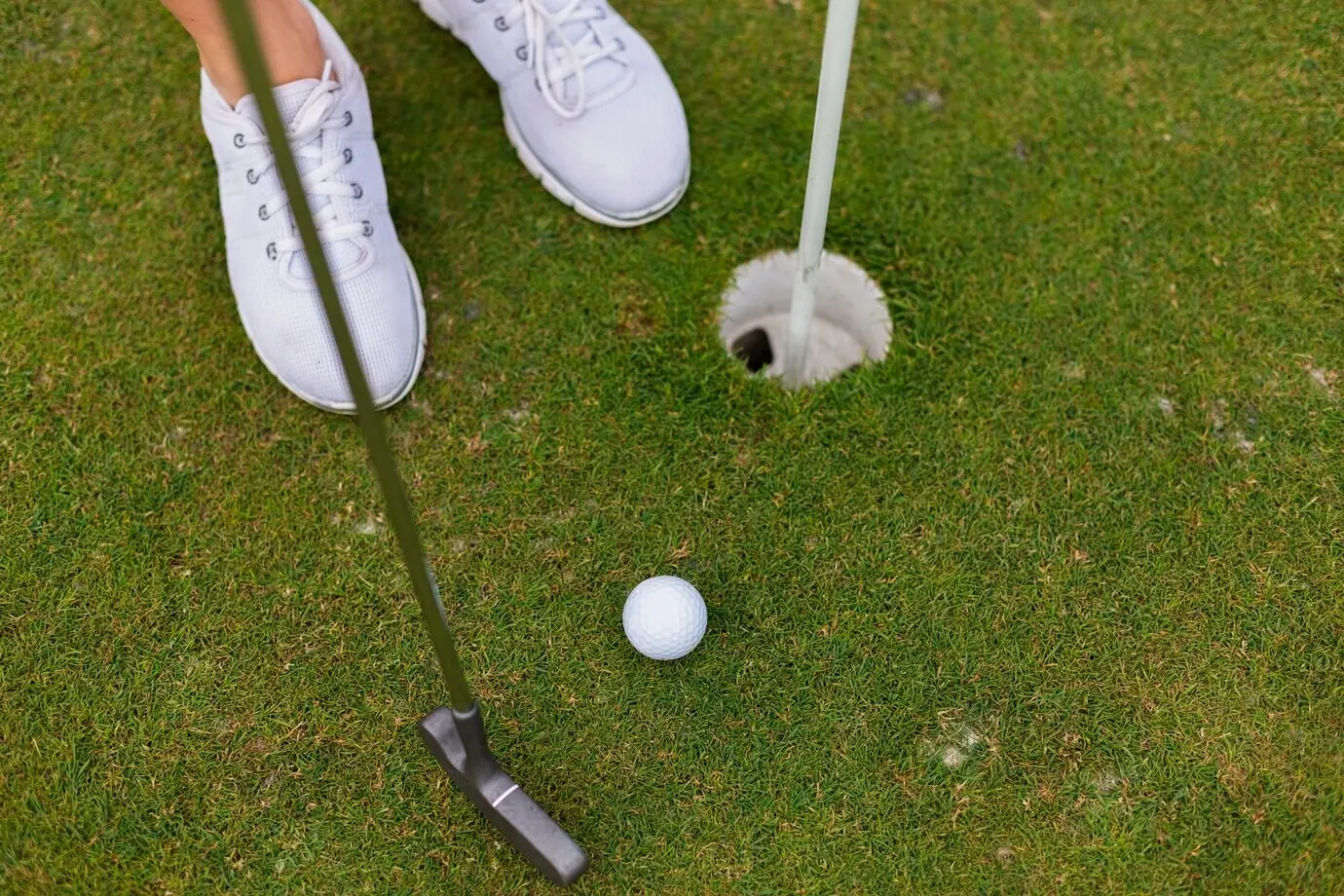
Place two coins a little wider than your ball, five to eight inches in front of the starting position, to create a gate. Roll putts that pass cleanly between them, avoiding any clicks. Twenty to thirty successful rolls build tremendous face and path control. If a coin gets clipped, breathe, reset your aim, and feel a smoother release. Keep the face square longer through impact while holding posture steady. The discipline is quiet and simple, yet it consistently carries to real greens when pressure mounts.

Ladder Distance Control Using Backstroke Length

Choose four imaginary holes at short, medium, and slightly longer carpet distances. Pair each with a consistent backstroke length, using a coin on the carpet as a reference point for the putter head. Roll three balls to each target, sensing identical rhythm rather than forcing speed. Focus on a one-two tempo that feels unhurried. Make small adjustments only after three attempts. Over several days, your eyes will calibrate better to unknown speeds, reducing three-putts outside, while a softer strike improves roll quality and entry pace.

Face Angle Feedback with a Ruler and Mirror

Set a twelve-inch ruler on the carpet and place the ball at the start notch. Roll putts along the ruler, keeping the ball riding the edge without falling off. A mirror behind the ball helps confirm eyes over or just inside the line, shoulders parallel, and a square face at address. Feel the stroke trace the ruler’s edge, then repeat without it to test retention. This gentle constraint builds reliable start direction, trims unnecessary wrist motion, and cultivates a compact, confident action perfect for pressure moments.

Soft-Ball Chipping and Landing-Spot Precision

Chipping indoors sounds risky, but foam balls and a forgiving landing zone make it accessible and surprisingly helpful. Aim for a towel or cushion on a couch to soften impact and reduce bounce. Identify a precise landing spot rather than staring at the final target. Keep wrists quiet, lean slightly toward the target, and rotate gently through. Focus on strike sound and predictable rollout. With daily micro-sets, your contact tightens, your confidence grows, and your outdoor up-and-down percentage noticeably improves, especially on standard greenside lies.

Under-Arm Towel Drill for Connected Motion

Place a small towel under both armpits and make gentle half swings, keeping the towel secure through the backswing and into the follow-through. This encourages arm-body harmony, reduces excessive hand action, and smooths transitions. Focus on turning the ribcage instead of snatching with the wrists. Pause occasionally at the top to feel pressure in the trail foot and inside the trail knee. The compact motion is perfect for small rooms, and it directly translates to crisper contact, especially with wedges and mid-irons under real course conditions.

Doorframe Backswing Check

Stand parallel to a doorframe and rehearse the backswing until the shaft reaches roughly hip height, keeping the clubhead just inside the frame. This helps you sense a neutral takeaway without fanning open or sucking inside. Pause and check that the lead wrist remains relatively flat, the trail elbow points down, and the chest has turned. Repeat slow, deliberate rehearsals before adding tiny through-swings. The doorframe becomes a silent coach, eliminating guesswork about early path errors and building repeatable structure you can trust when pressure rises.

Impact Awareness Without a Ball

Impact is where everything counts, and you can train it safely indoors without sending anything flying. A pillow becomes an excellent impact bag, a towel on the carpet teaches low-point control, and light foot-spray on the clubface reveals strike location. These gentle constraints provide objective feedback and encourage small, confident improvements. Focus on sequence and pressure shift rather than force. When impact gets predictable, ball flight outdoors feels less mysterious, mishits shrink, and distance control improves naturally because contact quality stabilizes across a range of clubs.

Resistance-Band Rotation and Posture Maintenance

Anchor a light band to a sturdy door, assume a split stance, and rotate from the ribcage while keeping your hips stable. Maintain golf posture, chin relaxed, and shoulders away from your ears. Five to eight smooth reps each side, two sets, build endurance without fatigue. Focus on exhaling through the effort and feeling the trail hip coil. This accessible routine upgrades sequence and stability, translating to cleaner strikes and calmer transitions. It fits anywhere, requires almost no time, and meaningfully supports all your other indoor drills.

Hip Hinge and Spinal Awareness with a Broomstick
Place a broomstick along your spine, keeping three contact points: back of head, mid-back, and tailbone. Hinge from the hips without losing contact, feeling glutes engage while the chest stays proud. Perform slow sets of eight, pausing briefly at the bottom. This groove protects your lower back, clarifies address posture, and supports consistent rotation. When posture holds, the club returns to the ball on a more predictable arc. Improved hinge mechanics also reduce early extension, leading to steadier face control and more effortless contact across the bag.

Single-Leg Balance and Foot Pressure Control

Stand on one leg for thirty seconds, then shift pressure from heel to midfoot to forefoot without wobbling. Add a gentle torso turn only when stable. Switch sides. This quiet drill strengthens ankles, improves proprioception, and refines how you manage pressure during the swing. Stronger feet and calmer balance enhance putting start lines and chipping finesse, while also stabilizing full-swing transitions. Practice while brushing teeth or waiting for the kettle. The tiny investment pays off outdoors when slopes, wind, and nerves challenge your foundation.

Micro-Practice Plans, Tracking, and Community

Consistent, tiny wins beat occasional marathons. Build short daily routines that rotate focus areas so you never feel stuck. Track make percentages, start-line success, and strike patterns to stay honest and motivated. Small charts reveal progress you might otherwise miss. Celebrate improvements publicly to reinforce habits and inspire others. Ask questions when something feels stubborn, and exchange drill tweaks with fellow learners. Your apartment becomes a performance lab where curiosity and encouragement thrive, quietly transforming winter evenings into springtime confidence on the first tee.

The 10-Minute Daily Apartment Routine

Spend three minutes on the coin gate for start-line consistency, three minutes on a distance-control ladder, two minutes on towel-brush low-point training, and two minutes on metronome half-swings. Keep transitions brisk and the intention crystal clear. Note one observation in a small log to reinforce learning. If time allows, add a single minute of single-leg balance. These tiny sessions stack beautifully across a week, creating a rhythm your body trusts. When outdoor season arrives, your contact, pace control, and confidence already feel game-ready.

Keep Score: Simple Stats That Motivate

Create a basic sheet tracking putt makes from three, five, and eight feet, start-line hits through the gate, and center-face strikes on impact tape. Record first-try results in addition to total attempts to simulate pressure. Review weekly to spot trends and celebrate small wins. If a metric stalls, dedicate two focused days to it, then retest. Numbers turn vague impressions into clarity without judgment. This approach keeps practice purposeful, helps you allocate time wisely, and produces satisfying momentum that carries straight onto real greens.

Awlyu
Privacy Overview

This website uses cookies so that we can provide you with the best user experience possible. Cookie information is stored in your browser and performs functions such as recognising you when you return to our website and helping our team to understand which sections of the website you find most interesting and useful.