Bring the Fairway Home in Tight Spaces

Today we dive into portable golf simulators for small rooms, exploring practical setup choices, precise calibration, and the real constraints that shape comfort, safety, and accuracy. Expect clear guidance, tested workarounds, and stories from compact apartments and spare bedrooms that prove improvement is possible without a garage or basement range. Share your layout, ask questions, and let’s turn limited square footage into consistent practice that truly sticks.

Choosing the Right Portable Simulator for a Compact Room

Finding a reliable portable simulator for a small room starts with honest measurements and priorities. Ceiling height, swing arc, and available ball flight distance influence whether a camera-based or radar-based unit makes sense. Consider projector throw ratio, impact screen durability, noise, storage, and portability. Balancing accuracy, quick setup, and budget creates an inviting space you will actually use daily without frustrating compromises or expensive regrets.

Smart Layouts and Quick Setup Strategies

A small-room simulator thrives on repeatable habits. Mark mat placement with low-profile tape, pre-route cables with Velcro ties, and store gear in stackable bins. Foldable frames, retractable screens, and compact nets speed transitions from living space to practice bay. Offset setups can protect walls and accommodate righties and lefties. The easier it is to set up, the more frequently you will practice, and the more progress you will see.

The Five-Minute Setup Routine That Sticks

Lay the hitting mat on taped markers, unfold the net or drop the retractable screen, place the launch monitor on a pre-measured spot, and power everything from a single surge-protected strip. Keep tees, alignment sticks, and marked balls in one labeled bin. A checklist near the door reduces mental load. With repetition, setup becomes automatic, letting you spend your limited time on swings instead of wrestling with equipment.

Noise, Vibration, and Neighbor-Friendly Choices

Dense floor pads, thick rugs, and rubber underlayment can dampen impact noise and protect downstairs neighbors. Softer balls or reduced-compression options curb echoes against the screen. Choose quieter projectors and fans, and keep speaker volume moderate. If walls are thin, hang a blanket behind the impact surface to absorb sound. Design considerate practice windows and leave a note for family, so your routine coexists peacefully with home life.

Calibration That Counts: Accuracy Without a Garage
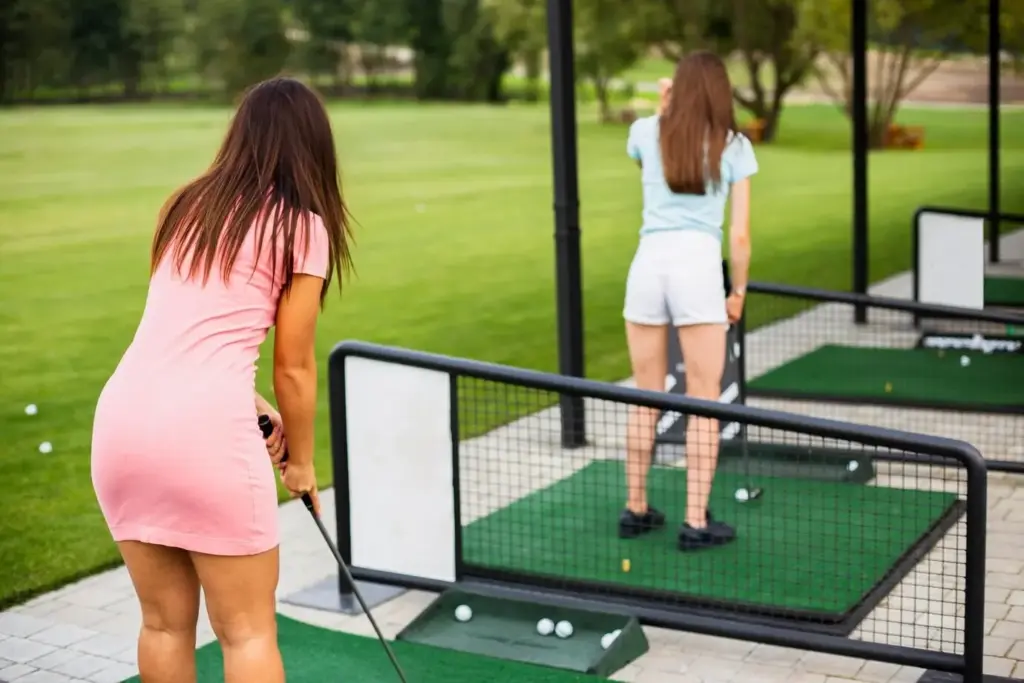
Precise calibration is the difference between inspiring feedback and confusing noise. Level the mat, verify ball position within the sensor’s strike zone, and check for lens cleanliness. Balanced, flicker-free lighting helps cameras read spin and clubface. Confirm distances and alignment to your target line with a string or laser. Re-run quick calibration each session; small shifts in placement can skew carry, spin axis, and club path dramatically.

When Your Ceiling Is Low: Swing Modifications and Drills
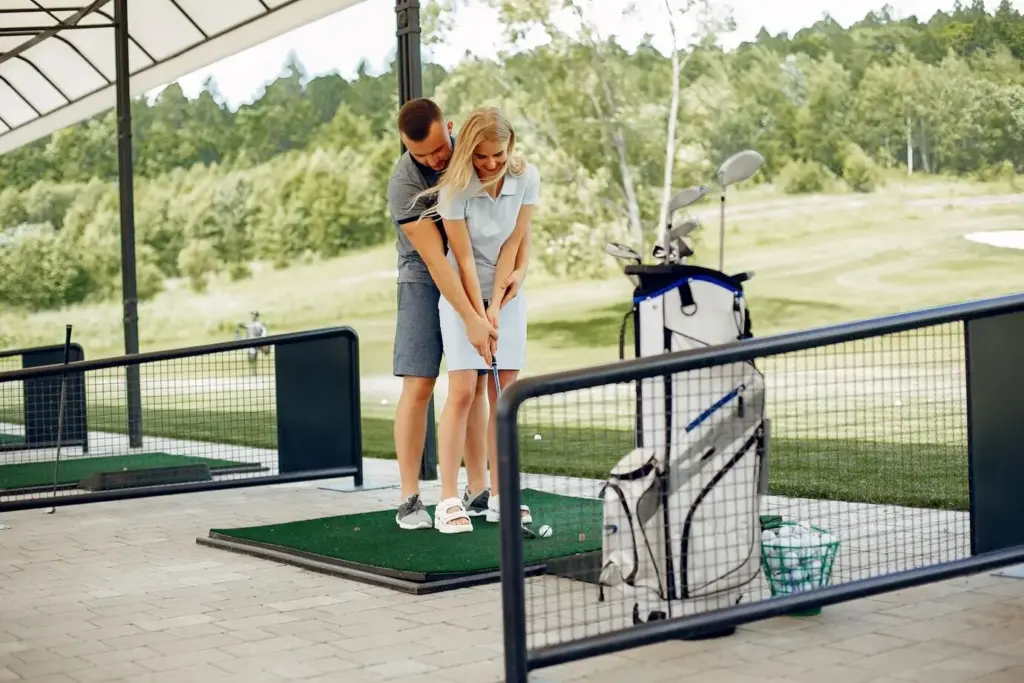
Adopt half and three-quarter swings with clear checkpoints, focusing on wrist set, shaft pitch, and body rotation rather than height. Use alignment sticks to measure backswing length without touching the ceiling. Train launch windows with knockdown shots and flighted wedges. Emphasize centered strikes and face control. Many players improve scoring dramatically through disciplined small-room practice, then translate the same movement patterns outdoors without losing clubhead speed.

Managing Bounceback, Shanks, and Wild Shots

Choose an impact screen with proper tension and a soft landing area behind it to reduce rebound. Install side netting that extends forward of the ball to catch lateral strikes. Stand slightly farther from the screen when possible. Practice with foam or low-compression balls during early sessions. Build a pre-shot routine that reinforces safe swing paths and centered contact. A few simple safeguards prevent heart-stopping ricochets and preserve confidence indoors.

Short-Game Mastery with Limited Ball Flight

Create a wedge ladder at incremental distances and record carry consistency. Practice low skid-to-roll chips with landing spots taped on the screen. Use a narrow gate drill to control start line. Track spin loft to manage trajectory. Alternate high and low flights to learn face control. Even with foam balls, contact quality and launch windows improve. These dependable skills save strokes immediately when conditions outdoors get windy or firm.

Tempo, Balance, and Impact Awareness Over Pure Distance

Use a metronome or beat track to find a repeatable cadence, then sync that rhythm with your transition. Hold balanced finishes for two breaths to imprint stability. Employ face spray or impact tape to monitor strike location. Chase tighter patterns, not just speed. When room size limits backswing, let tempo handle distance control. Players often discover effortless yards on the course after mastering rhythm under small-room constraints.

Gamified Challenges That Keep You Motivated

Rotate through accuracy contests, dispersion circles, and up-and-down scenarios with clear points and consequences. Time-box drills into short, energetic bursts, then log scores to chase personal bests. Invite a friend to share a leaderboard remotely. Switch courses weekly to refresh visuals. When motivation dips, pick a tiny win—ten centered strikes—and end on success. Consistent, playful competition turns compact practice into long-term progress without burnout.

Community, Upgrades, and Sharing Your Setup

Small-room golfers are inventive, and their solutions travel well. Post photos of your layout, mounting choices, and lighting that solved tricky reads. Compare settings and mats, and ask for honest feedback before upgrading. Prioritize improvements that enhance accuracy, comfort, or speed of setup. Beware feature creep that complicates your routine. Join our newsletter and comments to learn from others, share wins, and inspire the next creative compact range.
Awlyu
Privacy Overview

This website uses cookies so that we can provide you with the best user experience possible. Cookie information is stored in your browser and performs functions such as recognising you when you return to our website and helping our team to understand which sections of the website you find most interesting and useful.